
Coordinated by Alberto Orfao·6 research lines·13 groups
Translational and clinical research spanning hematological, breast, hepatobiliary, hereditary and therapy-resistant cancers.
The Translational and Clinical Research in Cancer Program is coordinated by Alberto Orfao and is organized into six research lines: the understanding, treatment and diagnosis of hematological tumors; breast tumors; hepatobiliary cancer; hereditary cancer; bioinformatics and artificial intelligence; and the mechanisms of therapy resistance.
Its groups combine basic, translational and clinical research, working in close connection with the Hematology and Oncology services of the University Hospital of Salamanca and with national and international consortia.

Program Coordinator
Alberto Orfao
- 6
- Research lines
- 13
- Groups
- 10
- Group leaders
Research line 2.1
Understanding, treatment, and diagnosis of hematological tumors
6 research groups
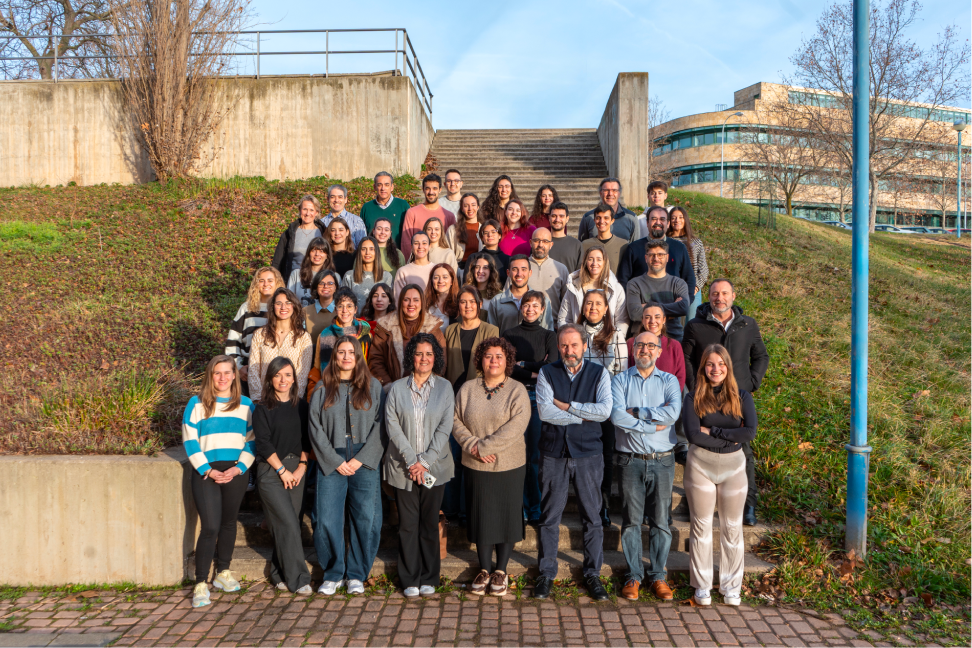
Immunology and Cancer
Group leader · Alberto Orfao
- 38
- People
- 39
- Publications
- 4
- Grants
The research program focuses on the interplay between the immune response and cancer, with a particular emphasis on malignancies originating from immune system cells, such as leukemias and lymphomas. Key areas of interest include improving the diagnosis and classification of these hematological malignancies, as well as evaluating treatment efficacy during follow-up through the detection of minimal residual disease, specifically therapy-resistant malignant cells.
Given that many hematological malignancies closely resemble their normal cellular counterparts, integrated studies of normal hematopoietic cells and their malignant equivalents are crucial to elucidate oncogenic events that disrupt normal cellular processes and drive malignant transformation. This research also explores the potential role of immune responses and the immune system in both controlling and promoting neoplastic transformation and the expansion of malignant clones.
Immunophenotyping remains a cornerstone for the diagnosis, classification, and therapeutic monitoring of hematological malignancies. Recent technological advancements have enabled more rational and effective design of immunophenotypic panels for the study of leukemias and lymphomas. However, these innovations have also increased the complexity of flow cytometry data, with few tools available to facilitate their interpretation. To address this challenge, our group is dedicated to the design, development, and validation of high-throughput systems and tools for automated and standardized analysis of flow cytometry data. These tools are applied across diagnostic, classification, prognostic, and treatment-monitoring contexts and are actively translated into clinical practice.
A more recent direction of our research involves the development and implementation of sensitive and specific multiparametric flow cytometry approaches to measure and monitor immune responses following immunotherapy, particularly antitumor immunotherapy.
Group leader
- Alberto Orfao
Senior Researchers · 3
- Andrés Celestino García Montero
- Martín Pérez Andrés
- Rafael Góngora Fernández
Postdoctoral Researchers · 10
- Ignacio Criado García
- Sergio Matarraz Sudón
- Andrea Mayado Colino
- María Aranzazu Rodríguez Caballero
- José Ignacio Sánchez Gallego
- María Laura Gutiérrez Troncoso
- María González-Tablas Pimenta
- Carlos Fernandez Gimenez
- Cristina Teodosio
- Alba Pérez Pons
PhD Researchers · 6
- Blanca Fuentes Herrero
- Oihane Pérez Escurza
- Paula Navarro Navarro
- José Manuel Serrano Lozano
- Ana Alicia Montero Cabrera
- Oscar González López
Lab Technicians · 10
- Julio Javier Del Pozo Gangoso
- María Luz Sánchez García
- Guillermo Tabernero Redondo
- Bárbara María Gomulka
- Tania Gil Antón
- Quentin Lécrevisse
- Lidia Silos Rejano
- Jessica Ripepi
- Silvia Martín Román
- Nahia Hernández Quitián
Master Students · 3
- Angie Hospital Sastre
- Diana Lucía Martínez Baquero
- Karen Janeth Borda Ramírez
Undergraduate Training · 1
- Alberto García Martín
Visiting Scientists · 4
- Jacques J.M. van Dongen
- Maurice R.G. O´Gorman
- Carlos Eduardo Pedreira
- López Rodríguez
- leukemia/lymphoma
- flow cytometry
- immunophenotyping
- high-dimensional data analysis
- immunotherapy
- Total publications
- 39
- Mean IF
- 12.48
- % Q1
- 85
- % D1
- 54
- % CA/MA
- 28
- % OA
- 87
Selected publications
Navarro-Navarro P, González-Tablas M, Pérez-Pons A, Sánchez-Muñoz L, Henriques A, Álvarez-Twose I, Nafria P, Araco-Sánchez D, Morales-Cabeza C, Caligaris H, Chen L, González-de-Olano D, González-López Ó, Escribano Mora L, García-Montero AC, Jara-Acevedo M, Orfao A. Improved diagnostic screening and classification of clonal mast cell diseases by ultrasensitive KIT p.D816V detection. Blood. 2025 Nov 27 doi:10.1182/blood.2025029507 PMID: 40811860
Pérez-Pons A, Henriques A, Contreras Sanfeliciano T, Jara-Acevedo M, Navarro-Navarro P, García-Montero AC, Álvarez-Twose I, Lecrevisse Q, Fluxa R, Sánchez-Muñoz L, Caldas C, Pozo J, González-López Ó, Pérez-Andrés M, Mayado A, Orfao A. Altered B-cell, plasma cell, and antibody immune profiles in blood of patients with systemic mastocytosis. J Allergy Clin Immunol. 2025 Feb;155(2):628-639. doi: 10.1016/j.jaci.2024.10.005. Epub 2024 Oct 16.
Oliva-Ariza G, Criado I, Fuentes-Herrero B, Carbonell C, Sánchez-Gallego JI, López-Bernús A, Gutiérrez ML, Rolo-Ramírez A, Bernal-Ribes M, Almenara-Morales Y, Lecrevisse Q, van Dongen JJM, Marcos M, Almeida J, Orfao A; ECRIN-M3 Consortium. Early Immune Cell and Antibody Kinetics Following SARS-CoV-2 Vaccination in Healthy Adults and Low-Count Monoclonal B-Cell Lymphocytosis. Int J Mol Sci. 2025;26(2):681. Published 2025 Jan 15. doi:10.3390/ijms26020681
| Period | Grants | Budget & distribution |
|---|---|---|
| Achieved in 2024-25 | 1 | 0.180 M€ (1 public regional) |
| Ongoing | 3 | 1.9M€ (1 public national, 1 private international, 1 private national) |
| Title | Funding entity | Reference | PI |
|---|---|---|---|
| Impact of Humoral Immunity in the General Adult Population on Monoclonal B-cell Lymphocytosis (MBL), Monoclonal T-cell Lymphocytosis (T-CUS), Monoclonal Gammopathy of Undetermined Significance (MGUS), and Clonal Hematopoiesis of Indeterminate Potential (CHIP) | Castilla and León Education Ministry and European Social Fund | CSI018P23 | Alberto Orfao (IP); Julia Almeida (Co-PI) |
| Title | Funding entity | Reference | PI |
|---|---|---|---|
| Monoclonal B lymphocytes (MBL), monoclonal gammopathy (MGUS) and clonal haematopoiesis of undetermined prognosis (CHIP): impact on humoral immunity in the adult population | Institute of Health Carlos III, Spanish Ministry of Science, Innovation and Universities | PI22/00674 | Alberto Orfao |
| Program on Early Diagnosis and Targeted Intervention for RAS-driven Cancers / STOP RAS CANCERS. | Spanish Foundation for Mast Cell Disorders | — | Alberto Orfao |
| Early Cancer Research Initiative Network on Monoclonal B lymphocytosis (ECRIN-M3) | Scientific Foundation AECC, Cancer Research UK, and AIRC | AECC-ACCELERATOR | Alberto Orfao |
- Paula Navarro Navarro
- Alba Pérez Pons
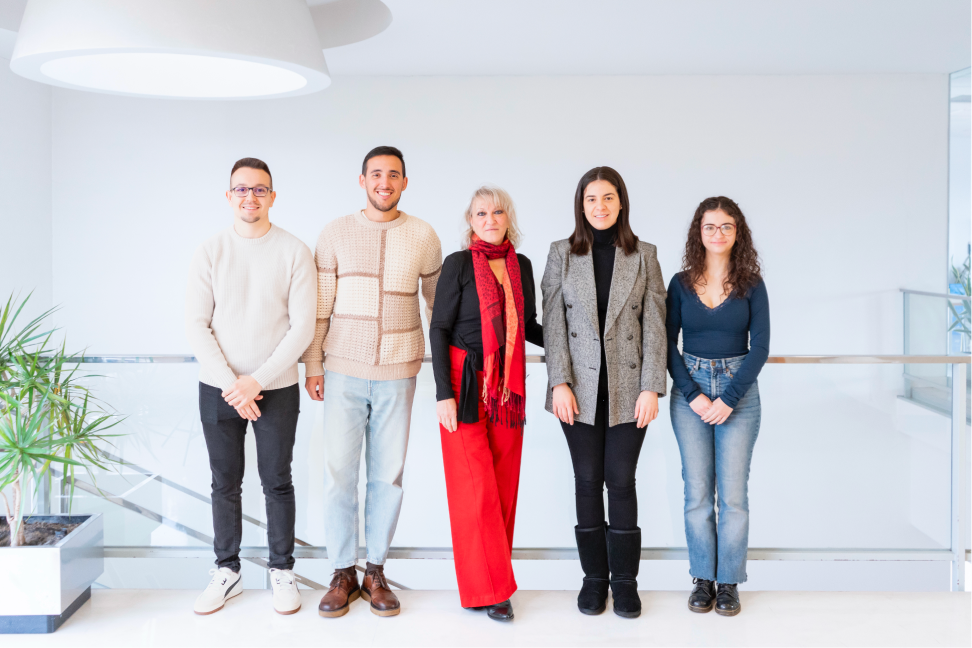
Chronic Lymphoid Neoplasms: Factors Involved in Onto-Pathogenesis and Transformation of Preleukemic Conditions into Clonal/Malignant Diseases
Group leader · Alberto Orfao
- 12
- People
- 11
- Publications
- 3
- Grants
Julia Almeida's research is focused on "Immunology and Cancer" applied to tumors derived from mature T/NK and B-cells (chronic lymphoproliferative disorders, from the onto-pathogenesis to clinical settings). Major research activities: i) identification of mechanisms involved in the transformation/evolution of reactive to clonal and malignant conditions (i.e. early stages of cancer), ii) phenotypic, genetic/molecular and functional characterization of these cells and iii) its translation to diagnosis, classification and treatment monitoring; iv) biological characterization of their normal cell counterparts; and v) role of the immune system in the control and progression of the disease.
In the past two years (2024–2025), the group has contributed to identify biomarkers for improved discrimination between normal/reactive and clonal NK-cells in clinical settings (Morán-Plata et al., Front Immunol, 2024), and to the characterization of novel phenotypic profiles in T-cell malignancies that may support more rational disease classification (Morán-Plata et al., Lab Invest, 2025). Furthermore, the application of flow cytometry panels—previously designed and developed by the group—to study the immune system in mature T-cell malignancies represents one of the first comprehensive analyses of the tumor microenvironment in these disorders (Morán-Plata et al., Front Immunol, 2025). Notably, the group has established international collaborations with leading teams in pre-tumor conditions, such as MBL/T-CUS (Ryan et al., BCJ 2025), alongside other contributions on MBL and chronic lymphocytic leukemia (Rodrigues et al., Frontiers in Oncology, 2024; Solano et al., Cancers, 2025; Diez et al., Molecular Oncology, 2025), providing immune-related biomarkers with potential impact on improving the clinical management of MBL and leukemia subjects. Finally, the group's participation in both national (Oliva-Ariza et al., Int J Mol Sci, 2025) and international consortia (Pérez-Jurado et al., Commun Biol, 2024; Cabrera-Alarcón et al., Commun Biol, 2025) has provided insights into factors associated with increased vulnerability to (severe) SARS-CoV-2 infection.
Group leader
- Alberto Orfao
R3A Accredited Researcher · 1
- Julia Almeida Parra
Postdoctoral Researcher · 1
- Francisco Javier Morán Plata (since Apr-2025)
PhD Researchers · 2
- Sonia Carretero Domínguez
- Iván Cuadrado Sevillano
Master Students · 3
- Jazmín A. González Flores
- Nereida Méndez Ramírez
- Lydia Tuñón Santabaya
Undergraduate Training · 2
- Javier García Valero
- Larisa Georgiana Mihalache
Visiting Scientists · 2
- Tania Mayra Encina
- Lesbia Leisbeth Lobo Cedeño
- Chronic lymphoid leukemias/lymphomas
- Pre-tumor conditions (MBL and T-CUS)
- Flow cytometry
- T and NK cells
- Total publications
- 11
- Mean IF
- 5.67
- % Q1
- 73
- % D1
- 27
- % CA/MA
- 36
- % OA
- 100
Selected publications
Ryan CE, Ahn IE, Sekar A, Rawstron A, Almeida J, Martin-Subero I, Parry EM, Alcoceba M, Calado DP, Orfao A, Langerak AW, Veelken H, Langerbeins P, Stephens DM, Parikh SA, Niemann CU, Roulland S, Stamatopoulos K, Slager SL, Shanafelt T, Ghia P, Okosun J, Davids MS. State of the art biology, progression, and clinical management of monoclonal B-cell lymphocytosis (MBL): consensus report from the Intercepting Blood Cancers Workshop Committee. Blood Cancer J. 2025 Aug 29;15(1):148. doi: 10.1038/s41408-025-01341-6. PMID: 40883275; PMCID: PMC12397339.
Morán-Plata FJ, Muñoz-García N, Barrena S, Yeguas A, Balanzategui A, Carretero-Domínguez S, Pozo J, Lécrevisse Q, González-González M, Bárcena P, Alcoceba M, Herrero-García M, Solano F, López-Parra M, Martín García-Sancho A, de Sá Ferreira-Facio C, Villamor N, Lau C, Dos Anjos Teixeira M, Botafogo V, Orfao A, Almeida J; EuroFlow Consortium. Maturation-Related and Functional-Associated Phenotypic Profile of Tumor T Cells in Mature/Peripheral T-Cell Neoplasms: Association With the Diagnostic Subtype of the Disease. Lab Invest. 2025 Aug;105(8):104180. doi: 10.1016/j.labinv.2025.104180. Epub 2025 Apr 25. PMID: 40288651.
Oliva-Ariza G, Criado I, Fuentes-Herrero B, Carbonell C, Sánchez-Gallego JI, López-Bernús A, Gutiérrez ML, Rolo-Ramírez A, Bernal-Ribes M, Almenara-Morales Y, Lecrevisse Q, van Dongen JJM, Marcos M, Almeida J*, Orfao A*; ECRIN-M3 Consortium. Early Immune Cell and Antibody Kinetics Following SARS-CoV-2 Vaccination in Healthy Adults and Low-Count Monoclonal B-Cell Lymphocytosis. Int J Mol Sci. 2025 Jan 15;26(2):681. doi: 10.3390/ijms26020681. PMID: 39859394; PMCID: PMC11765611.* Equal contribution
Morán-Plata FJ, Muñoz-García N, Barrena S, Yeguas A, Balanzategui A, Carretero-Domínguez S, Lécrevisse Q, González-González M, Mateos S, Silos L, Alcoceba M, Solano F, López-Parra M, Botafogo V, Orfao A, Almeida J. Altered immune cell profiles in blood of mature/peripheral T-cell leukemia/lymphoma patients: an EuroFlow study. Front Immunol. 2025 Mar 21;16:1561152. doi: 10.3389/fimmu.2025.1561152. PMID: 40191194; PMCID: PMC11968749.
Morán-Plata FJ, Muñoz-García N, González-González M, Pozo J, Carretero-Domínguez S, Mateos S, Barrena S, Belhassen-García M, Lau C, Teixeira MDA, Santos AH, Yeguas A, Balanzategui A, García-Sancho AM, Orfao A, Almeida J. A novel NKp80-based strategy for universal identification of normal, reactive and tumor/clonal natural killer-cells in blood. Front Immunol. 2024 Jul 8;15:1423689. doi: 10.3389/fimmu.2024.1423689. PMID: 39040115; PMCID: PMC11260609.
| Period | Grants | Budget & distribution |
|---|---|---|
| Achieved in 2024-25 | 2 | 0.308 M€ (1 public regional) |
| Ongoing | 1 | 1.566M€ (1 private international) |
| Title | Funding entity | Reference | PI |
|---|---|---|---|
| Diseño, desarrollo y validación de estrategias novedosas de citometría de flujo de "última generación" para la detección rápida, específica, sensible y reproducible de células tumorales en el linfoma T cutáneo | Institute of Health Carlos III, Spanish Ministry of Science, Innovation and Universities | PI23/00486 | Julia Almeida |
| Impact of Humoral Immunity in the General Adult Population on Monoclonal B-cell Lymphocytosis (MBL), Monoclonal T-cell Lymphocytosis (T-CUS), Monoclonal Gammopathy of Undetermined Significance (MGUS), and Clonal Hematopoiesis of Indeterminate Potential (CHIP) | Castilla and León Education Ministry and European Social Fund | CSI018P23 | Alberto Orfao (IP); Julia Almeida (Co-PI) |
| Title | Funding entity | Reference | PI |
|---|---|---|---|
| Early Cancer Research Initiative Network on Monoclonal B lymphocytosis (ECRIN-M3) | Scientific Foundation AECC, Cancer Research UK, and AIRC | AECC-ACCELERATOR | Alberto Orfao (Coord.); Julia Almeida (Co-PI of 8) |
- Francisco Javier Morán PlataInternational mention

NanoMedicine, Immuno-Oncology and Proteomics Approaches for Biomarker and Drug Discovery in Cancer and Immunopathologies
Group leader · Alberto Orfao
- 7
- People
- 6
- Publications
- 2
- Grants
Immunotherapies that train or stimulate the inherent immunological systems to recognize, attack & erradicate tumor cells with minimal damages to healthy cells have demonstrated promising clinical responses. Nowadays, there are several clinical trials which promotes the combination of ICIs (Immune Checkpoint Inhibitors) with other onco-therapeutic strategies which cause tumoral cell death in an immunogenic way. The Immunogenic Cell Death (ICD) enhances immune stimulatory or subvert immune suppressive effects to synergize with current ICI therapies. Hence, it is necessary to decipher molecular basis of anti-tumor immune response to design the therapy.
The steps of anti-tumor immune response: i.-Antigen released from tumoral cells are captured by antigen-presentation cells (APCs). ii.-Danger Associated Molecular Patterns (DAMPs) released by dying tumoral cells signal APCs maturation. iii.-Activated APCs present Tumor Associated Antigens (TAAs) on MHC-I & MHC-II to T cells, resulting in the activation of effector T cells against TAAs. iv.-Activated effector T cells traffic to and infiltrate tumor bed where specifically recognized tumoral cells through integration between TCR and MHC-I bound cognate antigen and kill tumor cells. v.-Tumor death cells release TAAs to increase the immune response.
Thus, there is a potential mechanism of combined benefits of Nanomedicines and Immunotherapy based on ICIs. Because Nanomedicines can address some of the challenges in Immuno-Oncology: i.-Enabling the combination of molecular targeted therapies with immunotherapies; ii.-Early monitoring of immunotherapies; iii.-Personalizing an immune response to a patient's tumor.
Our main goal is to design and validate an immunoproteogenomics strategy to improve the therapeutic scheme. This immunoproteogenomic methodology is based on the systematic integration of next generation genomic, transcriptomic, proteomics and immune monitoring that allows orthogonal validation of biomarkers (in haematological and solid tumors) to translation into the clinic. We are focused on: 1.-Proteogenomics correlation between somatic mutations and cell signaling pathways. 2.-Inter-relationship of TCR sequences and HLA immunopeptidomes. 3.-Proteomic quantification of proteins and their encoded proteoforms according to genomic alterations and immunpeptidomes. 4.-Identify differential TAAs profiles according to altered protein profiles and immunopeptidomes. 5.-Immune monitoring for the rapid and simultaneous determination soluble components of immune response and ICD.
Group leader
- Alberto Orfao
R3A Accredited Researcher · 1
- Manuel Fuentes
Postdoctoral Researcher · 1
- Angela Patricia Hernandez
PhD Researchers · 3
- Laura Carlota Arias Hidalgo
- Pablo Juanes Velasco
- Ana Nuño
Lab Technician · 1
- Laura Caselles Luna
- Humoral Immune response
- immune-oncology
- functional proteomics
- nanomedicine
- infectious and chronic disease
- Total publications
- 6
- Mean IF
- 6.60
- % Q1
- 40
- % D1
- 20
- % CA/MA
- 50
- % OA
- 60
Selected publications
Hernández ÁP, Rosales-Fernández C, Miranda-Vera C, Veselinova A, Jambrina PG, García-García P, García PA, Díez D, Castro MÁ, Fuentes M. Insights into podophyllotoxin lactone features: New cyclolignans as potential dual tubulin-topoisomerase II inhibitors. Arch Pharm (Weinheim). 2025 Jan;358(1):e2400600. doi: 10.1002/ardp.202400600. Epub 2024 Nov 12. PMID: 39533473; PMCID: PMC11726159.
Juanes-Velasco P, Pérez-Arévalo JC, Arias-Hidalgo C, Nuño-Soriano A, Landeira-Viñuela A, Corrales F, Bernardo D, Cuesta-Sancho S, Rojo-Rello S, Lécrevisse Q, Góngora R, Sánchez-Santos JM, De Las Rivas J, Hernández ÁP, Fuentes M. Assessment of Humoral Response at SARS-CoV-2 Infection by Multipronged Functional Proteomics Approaches. J Proteome Res. 2025 Feb 7;24(2):515-525. doi: 10.1021/acs.jproteome.4c00635. Epub 2025 Jan 7. PMID: 39772566.
Juanes-Velasco P, Arias-Hidalgo C, García-Vaquero ML, Sotolongo-Ravelo J, Paíno T, Lécrevisse Q, Landeira-Viñuela A, Góngora R, Hernández ÁP, Fuentes M. Crucial Parameters for Immunopeptidome Characterization: A Systematic Evaluation. Int J Mol Sci. 2024 Sep 3;25(17):9564. doi: 10.3390/ijms25179564. PMID: 39273511; PMCID: PMC11395153.
Staniek J, Kalina T, Andrieux G, Boerries M, Janowska I, Fuentes M, Díez P, Bakardjieva M, Stancikova J, Raabe J, Neumann J, Schwenk S, Arpesella L, Stuchly J, Benes V, García Valiente R, Fernández García J, Carsetti R, Piano Mortari E, Catala A, de la Calle O, Sogkas G, Neven B, Rieux-Laucat F, Magerus A, Neth O, Olbrich P, Voll RE, Alsina L, Allende LM, Gonzalez-Granado LI, Böhler C, Thiel J, Venhoff N, Lorenzetti R, Warnatz K, Unger S, Seidl M, Mielenz D, Schneider P, Ehl S, Rensing-Ehl A, Smulski CR, Rizzi M. Non-apoptotic FAS signaling controls mTOR activation and extrafollicular maturation in human B cells. Sci Immunol. 2024 Jan 12;9(91):eadj5948. doi: 10.1126/sciimmunol.adj5948. Epub 2024 Jan 12. PMID: 38215192
| Period | Grants | Budget & distribution |
|---|---|---|
| Achieved in 2024-25 | 1 | 0.020 M€ (1 public regional) |
| Ongoing | 1 | 0.159 M€ (1 public national) |
| Title | Funding entity | Reference | PI |
|---|---|---|---|
| Identification of biomarkers through differential protein profiling relevant to vascular function and clinical manifestations in patients with long COVID | Gerencia Regional de Salud | GRS 2976/C/2024 | Manuel Gómez Marcos |
| Title | Funding entity | Reference | PI |
|---|---|---|---|
| Systematic characterization by functional proteomics of immune response dysfunction in hematological malignancies, using Chronic Lymphocytic Leukemia (CLL) as a model | Institute of Health Carlos III, Spanish Ministry of Science, Innovation and Universities | FIS 21/01545 | Manuel Fuentes |
- Pablo Juanes VelascoInternational mention
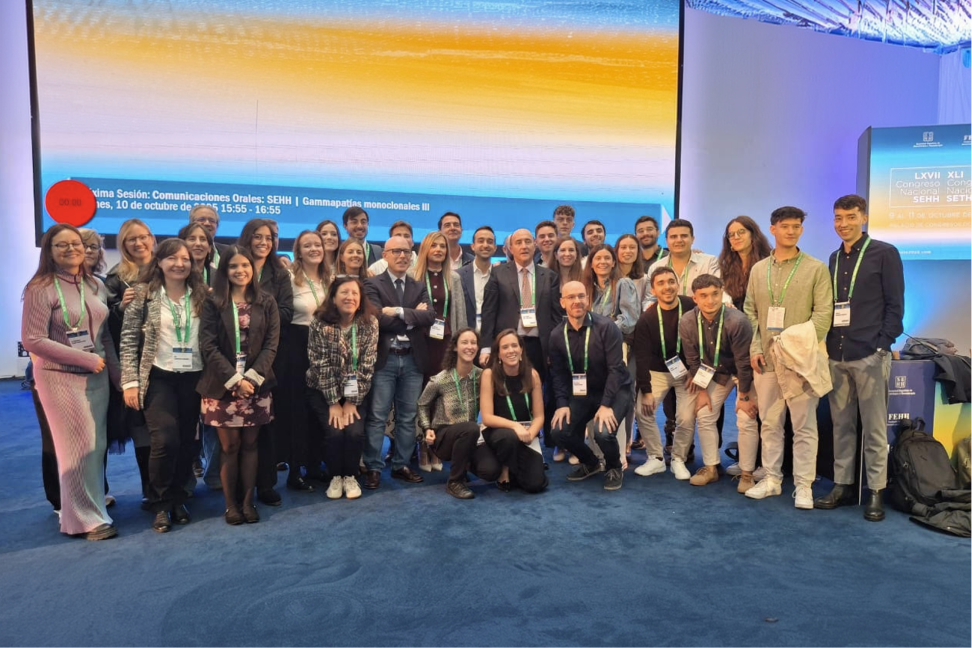
Oncohematology
Group leader · Maria Victoria Mateos Manteca
- 38
- People
- 74
- Publications
- 10
- Grants
Prof Mateos mainly works in clinical and translational research, which stems from the interaction between laboratory 12 at the Cancer Research Center and the Hematology Department of the University Hospital of Salamanca. This interaction has been very fruitful in scientific publications and diagnostic achievements with therapeutic advances for patients. Research carried out by the group spans hematological malignancies, with a special focus on multiple myeloma (MM), acute myeloid leukemia (AML) and myelodysplastic syndromes (MDS), as well as lymphoproliferative disorders (LPD) and lymphomas (NHL). The tumor clone is characterized by multiparametric studies (phenotypic, cytogenetic, molecular and functional) with the final goal of identifying novel prognostic markers, the development of diagnostic tools for clinical practice, and tumor target evaluation to design novel therapeutic strategies. Investigation about potential mechanisms of resistance is another goal in our group.
Our lines of research are divided into four main areas: 1) OncoHaematologic Molecular Cytogenetics; 2) Molecular Biology and Immunopathology; 3) Cell Therapy and Transplantation; and 4) Testing of novel therapies in hematological malignancies. The goal achievements of the Oncohematology group are: a) identification and description of prognostic biomarkers, including cytogenetic and molecular abnormalities in MM, NHL, MDS or LPD; b) contributing to the whole sequencing of chronic lymphocytic leukemias; c) standardization and assessment of minimal residual disease by flow cytometry and next generation sequencing (International Reference); d) identification of novel agents and combinations resulting in our leadership in several clinical trials (phase I to IV), and e) participation in CART and NK-cells trials for lymphoma and myeloma.
Future challenges of the group include to deepen into the genomic mechanisms of hematological neoplasms development and transformation into aggressive diseases, specially through the evaluation of clonal heterogeneity and identification of the ancestor clonogenic cell; evaluation of tumor microenvironment; analysis of drug-resistance mechanisms, testing of new immunotherapeutic approaches and identification of synthetic lethal vulnerabilities in MM.
Group leader
- Maria Victoria Mateos Manteca
Senior Researchers · 9
- Norma C. Gutiérrez Gutiérrez
- Fermín Sánchez-Guijo
- Mercedes Garayoa Berrueta
- José Mª Bastida Bermejo
- José Ramón González Porras
- María Diez Campelo
- Lucía López Corral
- Mª Belén Vidriales Vicente
- Alejandro Martín García-Sancho
Postdoctoral Researchers · 7
- Teresa Paíno Gómez
- Noemí Puig Morón
- Miguel Alcoceba Sánchez
- Verónica González de la Calle
- Myriam Cuadrado López
- Elizabeta Rojas Ricardo
- Alejandro Medina Herrera
PhD Researchers · 6
- Mauro Lorenzo Mohamed
- Marta González Rodríguez
- Bárbara Castellanos García
- Janet Sotolongo Ravelo
- Cristina de Ramón Sánchez
- Sara Cristóbal Vargas
Lab Technicians · 15
- Laura San Segundo Payo
- Montserrat Martín Sánchez
- Lorena González Méndez
- Isabel María Isidro Hernández
- Ana Balanzategui Echevarría
- Pilar Terradillos Sanchez
- Isabel Jiménez Hernaz
- Ariadna Vicente Parra
- Inmaculada Sánchez Villares
- Alicia Antón Gómez
- Montserrat Hernández Ruano
- Rebeca Maldonado Sánchez
- Ana Isabel Sánchez Gómez
- Sara Iglesias Cuesta
- Mónica Marcos Diego
- Multiple Myeloma
- Non-Hodgkin Lymphoma
- Acute myeloid leukemia
- Chronic lymphocytic Leukemia
- Hodgkin Lymphoma
- Total publications
- 74
- Mean IF
- 17
- % Q1
- 81
- % D1
- 55
- % CA/MA
- 19
- % OA
- 73
Selected publications
Hungria V, Robak P, Hus M, Zherebtsova V, Ward C, Ho PJ, Ribas de Almeida AC, Hajek R, Kim K, Grosicki S, Sia H, Bryant A, Pitombeira de Lacerda M, Aparecida Martinez G, Sureda Balarí AM, Sandhu I, Cerchione C, Ganly P, Dimopoulos M, Fu C, Garg M, Abdallah AO, Oriol A, Gatt ME, Cavo M, Rifkin R, Fujisaki T, Mielnik M, Pirooz N, McKeown A, McNamara S, Zhou X, Nichols M, Lewis E, Rogers R, Baig H, Eccersley L, Roy-Ghanta S, Opalinska J, Mateos MV; DREAMM-7 Investigators. Belantamab Mafodotin, Bortezomib, and Dexamethasone for Multiple Myeloma. N Engl J Med. 2024 Aug 1;391(5):393-407. doi: 10.1056/NEJMoa2405090. Epub 2024 Jun 1. PMID: 38828933.
Mateos MV, Martínez-López J, Rodriguez Otero P, González-Calle V, Gonzalez MS, Oriol A, Gutiérrez NC, Ríos-Tamayo R, Rosiñol L, Alvarez Rivas MA, Bargay J, Gonzalez-Rodriguez AP, Alegre A, Escalante F, Iñigo Rodríguez MB, De La Rubia J, Teruel AI, de Arriba F, Palomera L, Hernández MT, Lopez Jiménez J, Reinoso-Segura M, García Mateo A, Ocio EM, Paiva B, Puig N, Cedena MT, Bladé J, Lahuerta JJ, San-Miguel JF; Spanish Myeloma Group (GEM-Pethema). Curative Strategy for High-Risk Smoldering Myeloma: Carfilzomib, Lenalidomide, and Dexamethasone (KRd) Followed by Transplant, KRd Consolidation, and Rd Maintenance. J Clin Oncol. 2024 Sep 20;42(27):3247-3256. doi: 10.1200/JCO.23.02771. Epub 2024 Jul 22. PMID: 39038268; PMCID: PMC11404760.
Hungria V, Robak P, Hus M, Zherebtsova V, Ward C, Ho PJ, Hájek R, Kim K, Grosicki S, Sia H, Bryant A, Pitombeira de Lacerda M, Martinez GA, Sureda Balarí A, Sandhu I, Cerchione C, Ganly P, Dimopoulos MA, Fu C, Garg M, Abdallah AO, Gatt ME, Oriol Rocafiguera A, Cavo M, Rifkin R, Fujisaki T, Mielnik M, Ficek J, Mantero A, Pirooz N, Varghese S, Lee J, McKeown A, Rogers R, Baig H, Eccersley L, Roy-Ghanta S, Mukhopadhyay P, Nielsen J, Opalinska J, Mateos MV; DREAMM-7 study investigators. Belantamab mafodotin plus bortezomib and dexamethasone in patients with relapsed or refractory multiple myeloma (DREAMM-7): updated overall survival analysis from a global, randomised, open-label, phase 3 trial. Lancet Oncol. 2025 Aug;26(8):1067-1080. doi: 10.1016/S1470-2045(25)00330-4. Epub 2025 Jul 15. Erratum in: Lancet Oncol. 2025 Oct;26(10):e522. doi: 10.1016/S1470-2045(25)00488-7. PMID: 40680754.
Mateos MV, San-Miguel J, Cavo M, Suzuki K, Jakubowiak A, Knop S, Doyen C, Lucio P, Nagy Z, Pour L, Grosicki S, Crepaldi A, Liberati AM, Campbell P, Yoon SS, Iosava G, Fujisaki T, Garg M, Ngo M, Katz EG, Krevvata M, Bolyard K, Carson R, Borgsten F, Dimopoulos MA. Bortezomib, melphalan, and prednisone with or without daratumumab in transplant-ineligible patients with newly diagnosed multiple myeloma (ALCYONE): final analysis of an open-label, randomised, multicentre, phase 3 trial. Lancet Oncol. 2025 May;26(5):596-608. doi: 10.1016/S1470-2045(25)00018-X. Epub 2025 Apr 9. PMID: 40220771.
Mateos MV, Paiva B, Cedena MT, Puig N, Sureda-Balari AM, de la Calle VG, Oriol A, Ocio EM, Rosiñol L, Montes YG, Bargay J, García MEG, Lakhwani S, Payer AR, Suarez-Cabrera A, Blanchard MJ, Garzón S, Montero FC, Cabañas V, de Oteyza JP, Gironella M, Martinez-Lopez J, Casasús AIT, Delgado-Beltrán MP, Prieto E, Lahuerta JJ, Bladé J, San-Miguel J. Induction therapy with bortezomib, melphalan, and prednisone followed by lenalidomide and dexamethasone versus carfilzomib, lenalidomide, and dexamethasone with or without daratumumab in older, fit patients with newly diagnosed multiple myeloma (GEM-2017FIT): a phase 3, open-label, multicentre, randomised clinical trial. Lancet Haematol. 2025 Aug;12(8):e588-e598. doi: 10.1016/S2352-3026(25)00143-7. PMID: 40769684.
| Period | Grants | Budget & distribution |
|---|---|---|
| Achieved in 2024-25 | 13 | 5.530 M€ (1 public international, 9 public national, 1 public regional, 1 private international, 1 private national) |
| Ongoing | 5 | 1.530 M€ (4 public national, 1 private international) |
| Title | Funding entity | Reference | PI |
|---|---|---|---|
| Expansion of the Clinical Research Unit (CRU) of the University Hospital of Salamanca / IBSAL and its area of influence | Institute of Health Carlos III, Spanish Ministry of Science, Innovation and Universities | UICM24/00036 | María Victoria Mateos Manteca |
| Phase I/II study of CARTemis 1, an academic, optimized BCMA-targeted CAR-T in relapsed and refractory multiple mieloma | Institute of Health Carlos III, Spanish Ministry of Science, Innovation and Universities | ICI24/00102 | María Victoria Mateos Manteca |
| Allogeneic mesenchymal cells (MSC) in ocular injection as therapy for graft-versus-host disease (GvHD) refractory to conventional treatments | Institute of Health Carlos III, Spanish Ministry of Science, Innovation and Universities | ICI23/00027 | Fermín Sánchez-Guijo Martín |
| National network consortium for the development of advanced therapy medicinal products CERTERA | Institute of Health Carlos III, Spanish Ministry of Science, Innovation and Universities | CERT22/00063 | Fermín Sánchez-Guijo Martín |
| IBSAL independent clinical research support unit | Institute of Health Carlos III, Spanish Ministry of Science, Innovation and Universities | PT23/00110 | María Victoria Mateos Manteca |
The summary table displays only the 5 most significant projects in terms of funding amount (of 13 grants obtained during this period).
| Title | Funding entity | Reference | PI |
|---|---|---|---|
| Peripheral blood-based disease monitoring by mass spectrometry in patients with multiple myeloma | Leukemia and Lymphoma Society | LLS22/001 | María Victoria Mateos Manteca |
| Highly-sensitive and non-invasive minimal residual disease analysis using peripheral blood in patients with multiple myeloma | Institute of Health Carlos III, Spanish Ministry of Science, Innovation and Universities | PI21/01917 | María Victoria Mateos Manteca |
| Investigation of the roles of D-type cyclins in the pathogenesis of multiple myeloma and their prognostic significance | Institute of Health Carlos III, Spanish Ministry of Science, Innovation and Universities | PI19/00674 | Norma C. Gutiérrez Gutiérrez |
| Study of intrinsic and bone marrow microenvironment-mediated resistance mechanisms to anti-multiple myeloma agents | Institute of Health Carlos III, Spanish Ministry of Science, Innovation and Universities | PI19/01384 | Mercedes Garayoa |
| Immunogenic cell death inducing drugs as a basis for new immunotherapeutic combinations and potential tool for the identification of neoantigens in multiple myeloma | Institute of Health Carlos III, Spanish Ministry of Science, Innovation and Universities | PI21/01508 | María Teresa Paíno Gómez |
- Mª Cristina Hidalgo Calleja
- Elena Alejo Alonso
- Tamara Jiménez Solas
- Sofía María Toribio Castelló
- Cristina Agulló Roca
- Felix López Cadenas
- Mauro Lorenzo MohamedInternational mention
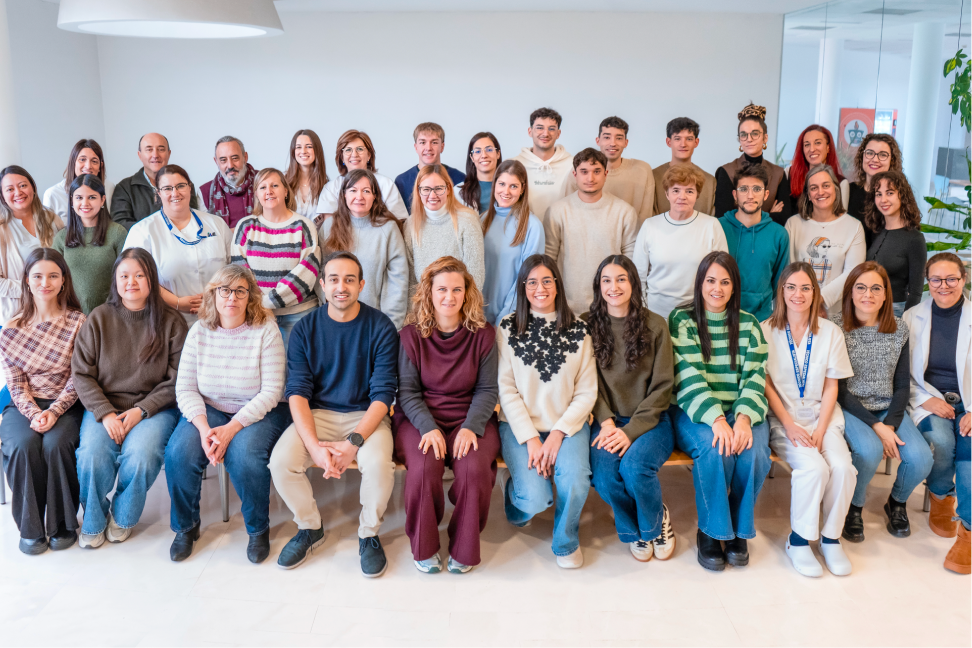
Genetics in Oncohematology
Group leader · Maria Victoria Mateos Manteca
- 36
- People
- 22
- Publications
- 7
- Grants
Prof. Dr. Hernández Rivas' group is dedicated to the molecular characterization of tumoral cells from hematological malignancies, including chronic lymphocytic leukemia, acute lymphoblastic leukemia, and myelodysplastic syndromes. Our research is centered on cutting-edge biomedicine technologies, including optical genome mapping (OGM), next-generation sequencing (NGS), and CRISPR genome editing, with a focus on integrating data across various research lines to deliver personalized treatments. Using CRISPR/Cas9 technology, we investigate drug resistance mechanisms in leukemia, generating novel cell lines and animal models that replicate genomic heterogeneity observed in hematological malignancies (HM). Additionally, we harness Big Data to enhance care for patients with HM, analyzing anonymous patient data to define clinical endpoints and outcomes, aiding decision-making for policy makers and physicians.
Noteworthy achievements include elucidating the prognostic significance of cytogenetic abnormalities across various hematological disorders. Furthermore, in collaboration with the Hemostasis and Thrombosis Unit from the University Hospital of Salamanca, we have identified new mutations in congenital thrombopathies. Engaging in international projects spanning expression and genomic microarrays, NGS, big data, and personalized medicine, we have made substantial contributions to scientific literature, publishing more than 300 papers in international scientific journals, developing 60 research projects, and overseeing 26 doctoral theses. Our group coordinates and leads the HARMONY Alliance, comprising the European projects HARMONY (2017-2023) and HARMONY PLUS (2021-2023), our collaboration involves analyzing NGS and clinical data to unearth patterns and insights that refine current medical protocols, emphasizing our commitment to advancing precision medicine in the field of blood cancer research. Additionally, we are involved in oncNGS (H2020 programme, 2020-2024), CAN.HEAL (EU for Health Programme, 2022-2024), RESOLVE, and IMPACT-AML, part of Horizon-Miss-2022 running from 2023 to 2027. The group is integrated into the national consortium Centro de Investigación Biomédica en Red (CIBER), specifically in the thematic area of cancer Area (CIBERONC, group CB16/12/00233), and the European Leukaemia Network (ELN).
Group leader
- Maria Victoria Mateos Manteca
R3A Accredited Researcher · 1
- Jesús M Hernández Rivas
Senior Researcher · 1
- Juan Luis García Hernández
Postdoctoral Researchers · 4
- María del Rocío Benito Sánchez
- Ana E. Rodríguez Vicente
- Mónica del Rey González
- María Abáigar Alvarado
PhD Researchers · 13
- Claudia Pérez Carretero
- Sofía María Toribio Castelló
- Valentina Ramírez Maldonado
- Sandra Santos Mínguez
- Alberto Rodríguez Sánchez
- Lorena Diaz Ajenjo
- Alberto Hernández Sánchez
- Helena Fidalgo Gómez
- Josgrey del Valle Navas Acosta
- Iván Maldonado Marcos
- Araceli Sama Barroso
- Andrés Durán Adame
- Liz Carolina Pardo Echeverría
Lab Technicians · 15
- Eva Lumbreras González
- Sara González Briones
- Irene Rodríguez Iglesias
- Mª Ángeles Hernández García
- María Almudena Martín Martín
- María José del Pozo Hernández
- Sandra Pujante Fernández
- Mª Ángeles Ramos Rodríguez
- Ana Simón Muñoz
- Ana Belén Díaz Martín
- Cristina Miguel García
- Francisco Javier Martínez Elicegui
- Angela Villaverde Ramiro
- Juan Carlos Rodríguez Iglesias
- Pablo Martín Sánchez
Undergraduate Training · 1
- Laura Camila Rodríguez Alba
- Hematological malignancies
- Next Generation Sequencing
- Cytogenetics
- Big Data
- Total publications
- 22
- Mean IF
- 8.02
- % Q1
- 77
- % D1
- 27
- % CA/MA
- 14
- % OA
- 82
Selected publications
Ehrmann AS, Quijada-Álamo M, Close V, Guo M, Carracoi V, Pérez-Carretero C, Corchete LA, Friedrich T, Giaimo BD, Yosifov DY, Bloehdorn J, Rodríguez-Sánchez A, Tausch E, Schneider C, Döhner H, Kietzmann T, Borggrefe T, Stilgenbauer S, Oswald F, Hernández-Rivas JM, Mertens D. NOTCH1 signaling is dysregulated by loss of the deubiquitinase USP28 with del(11q), uncovering USP28 inhibition as novel therapeutic target in CLL. Leukemia. 2025 Aug;39(8):1892-1904. doi: 10.1038/s41375-025-02632-4. Epub 2025 Jun 2. PMID: 40456839; PMCID: PMC12310537.
Mora E, Fox ML, Lemes A, Velasco B, Hernández-Rivas JM. Mepolizumab for hypereosinophilic syndrome: effectiveness and safety from real-world evidence. Front Immunol. 2025 Nov 14;16:1704077. doi: 10.3389/fimmu.2025.1704077. PMID: 41322417; PMCID: PMC12660071.
Navas-Acosta J, Hernández-Sánchez A, González T, Villaverde Ramiro Á, Santos S, Miguel C, Ribera J, Granada I, Morgades M, Sánchez R, Such E, Barrena S, Ciudad J, Dávila J, de Las Heras N, García-de Coca A, Labrador J, Queizán JA, Martín S, Orfao A, Ribera JM, Benito R, Hernández-Rivas JM. Preferential Genetic Pathways Lead to Relapses in Adult B-Cell Acute Lymphoblastic Leukemia. Cancers (Basel). 2024 Dec 17;16(24):4200. doi: 10.3390/cancers16244200. PMID: 39766099; PMCID: PMC11674736.
Voso MT, Guarnera L, Lehmann S, Döhner K, Döhner H, Platzbecker U, Russell N, Dillon R, Thomas I, Ossenkoppele G, Haferlach T, Vignetti M, La Sala E, Piciocchi A, Fazi P, Ramiro AV, Giménez LT, Gurnari C, Bullinger L, Hernández-Rivas JM. Acute promyelocytic leukemia: long-term outcomes from the HARMONY project. Blood. 2025 Jan 9;145(2):234-243. doi: 10.1182/blood.2024026186. PMID: 39504485.
Thorvaldsdottir B, Mansouri L, Sutton LA, Nadeu F, Meggendorfer M, Parker H, Brieghel C, Laidou S, Moia R, Rossi D, Kotaskova J, Delgado J, Rodríguez-Vicente AE, Benito R, Rigolin GM, Bonfiglio S, Scarfò L, Mattsson M, Davis Z, Baliakas P, Rapado I, Miras F, Martinez-Lopez J, de la Serna J, Hernández Rivas JM, Larráyoz MJ, Calasanz MJ, Smedby KE, Espinet B, Puiggros A, Bullinger L, Bosch F, Tazón-Vega B, Baran-Marszak F, Oscier D, Nguyen-Khac F, Zenz T, Terol MJ, Cuneo A, Hernández-Sánchez M, Pospisilova S, Gaidano G, Niemann CU, Campo E, Strefford JC, Ghia P, Stamatopoulos K, Rosenquist R. ATM aberrations in chronic lymphocytic leukemia: del(11q) rather than ATM mutations is an adverse-prognostic biomarker. Leukemia. 2025 Jul;39(7):1650-1660. doi: 10.1038/s41375-025-02615-5. Epub 2025 Apr 24. PMID: 40275070; PMCID: PMC12208880.
| Period | Grants | Budget & distribution |
|---|---|---|
| Achieved in 2024-25 | 4 | 0.436 M€ (1 public international, 1 public national, 2 public regional) |
| Ongoing | 3 | 0.233 M€ (3 public international) |
| Title | Funding entity | Reference | PI |
|---|---|---|---|
| Residual disease assessment in hematologic malignancies to improve patient-relevant outcomes across Europe (RESOLVE) | European Union | — | Jesús María Hernández Rivas |
| Analysis of the impact of NF-κB pathway alterations on cellular metabolism in chronic lymphocytic leukemia patients and their implications for treatment response | Regional Health Management of Castilla y León | GRS2732/A1/2023 | Jesús María Hernández Rivas |
| Strategic harmonization and integration of omics data for precision medicine in B-cell Acute Lymphoblastic Leukemia | Castilla and León Education Ministry and European Social Fund | SA198P24 | JM Hernández Rivas & M Rocío Benito Sánchez |
| Metabolomic and epigenomic study of CLL with trisomy 12 to identify drug resistance mechanisms and define potential therapeutic targets using in vitro and ex vivo models | Institute of Health Carlos III, Spanish Ministry of Science, Innovation and Universities | PI24/01432 | Ana E Rodríguez & JM Hernández Rivas |
| Title | Funding entity | Reference | PI |
|---|---|---|---|
| Master Framework and Pragmatic Clinical Trial for Relapse or Refractory Acute Myeloid Leukemia. IMPACT-AML | European Union. IMPACT-AML | 101104421 | Jesús María Hernández Rivas |
| oncNGS - NGS diagnostics in 21st century oncology: the best, for all, at all times | European Union | — | Jesus M Hernández Rivas (Coordinator: SCIENSANO) |
| Building the EU Cancer and Public Health Genomics platform | European Union. CAN.HEAL | — | Jesus M Hernández Rivas (Coordinator: SCIENSANO, Belgium) |
- Alberto Hernández Sánchez
- Sofía María Toribio Castelló
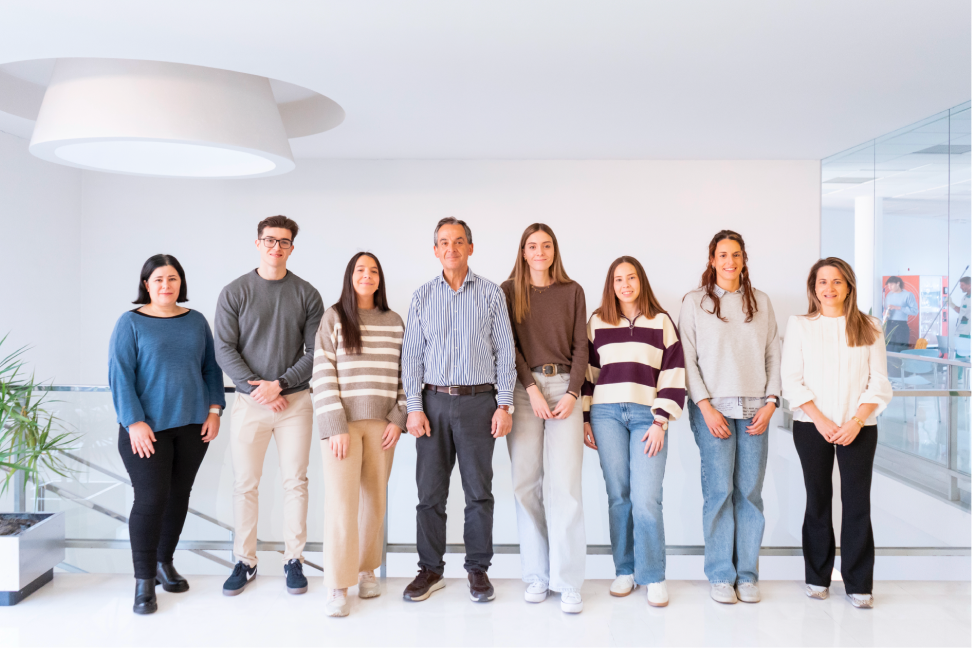
Experimental Therapeutics and Translational Oncology Program: Stem Cells, Cancer Stem Cells and Cancer
Group leader · Isidro Sánchez García
- 9
- People
- 3
- Publications
- 7
- Grants
Leukemia accounts for a third of all cancers in children and its incidence has increased in the last 20 years. Recent results have shown that around 5% of healthy children carry a preleukemic clone. These preleukemic cells can persist for years, without harm for the individual and it is the exposure to an oncogenic environment, which provides the necessary selection pressure for the leukemia outgrowth. However, these oncogenic environments are not known. Recently, our group, in collaboration with Prof. Arndt Borkhardt's group, has discovered for the first time the causal relationship between childhood B-cell leukemia (B-ALL) and exposure to natural infections, implying that B-ALL may be a preventable cancer.
The need for the clarification how genetic predisposition and exposure to infection act synergistically in B-ALL development is one of the current major goals and challenges in Oncology. Preclinical models of childhood B-ALL have been an essential unmet need to prevent the occurrence of this disease. A novel and unique feature of this proposal is the availability of mouse models for both the ETV6-RUNX1 and the Pax5-inherited susceptibility which only develop human-like B-ALL as a result of natural infection exposure. These mouse models have anticipated the second hit in childhood B-ALL and they will be used by our research team as the basis for understanding the molecular mechanisms that govern the development of B-ALL as a result of natural infection exposure. Now, state-of-the-art genetic and genomic approaches will be used to define the (epi)genetic and inmune events arising from leukemic reprogramming of pre-leukemic cells by the genetic predisposition–infection exposure interaction. The conceptual and mechanistic insights obtained in this experimental system represent an entirely novel strategy and the results of these endeavours will inform approaches for preventing childhood B-ALL.
Group leader
- Isidro Sánchez García
Senior Researcher · 1
- Carolina Vicente Dueñas
Postdoctoral Researchers · 2
- Ana Casado García
- Isabel Fernández Coira
PhD Researchers · 5
- Paola Alcaraz Marín
- Andrea López Álvarez de Neyra
- Belén María Ruíz Corzo
- Paula Somoza Cotillas
- Rafael Jiménez Sánchez
- genetic susceptibility
- preleukemic cells
- leukemia
- childhood
- delay -exposure
- murine models
- Total publications
- 3
- Mean IF
- 12.40
- % Q1
- 33
- % D1
- 33
- % CA/MA
- 67
- % OA
- 100
Selected publications
Casado-García A, García-Aguilera G, Pozo J, Oak N, Barrena S, Ruiz-Corzo B, Lalchandani J, Chamorro-Vera A, Castillo-Robleda A, Soriano B, Alemán-Arteaga S, Sánchez EG, Martínez-Cano J, López-Álvarez de Neyra A, Somoza-Cotillas P, Blanco O, Riesco S, Prieto-Matos P, García Criado FJ, García Cenador MB, Cobaleda C, Vicente-Dueñas C, Nichols KE, Orfao A, Ramírez-Orellana M, Sánchez-García I. PD-1 Expression Promotes Immune Evasion in B-ALL. Hematol Rep. 2025 Nov 12;17(6):61. doi: 10.3390/hematolrep17060061. PMID: 41283237; PMCID: PMC12641702.
Cobaleda C, Vicente-Dueñas C, Nichols KE, Sanchez-Garcia I. Childhood B cell leukemia: Intercepting the paths to progression. Bioessays. 2024 Sep;46(9):e2400033. doi: 10.1002/bies.202400033. Epub 2024 Jul 26. PMID: 39058907; PMCID: PMC11864036.
Cobaleda C, Godley LA, Nichols KE, Wlodarski MW, Sanchez-Garcia I. Insights into the Molecular Mechanisms of Genetic Predisposition to Hematopoietic Malignancies: The Importance of Gene-Environment Interactions. Cancer Discov. 2024 Mar 1;14(3):396-405. doi: 10.1158/2159-8290.CD-23-1091. PMID: 38426560; PMCID: PMC10913756.
| Period | Grants | Budget & distribution |
|---|---|---|
| Achieved in 2024-25 | 5 | 1.193 M€ (2 public international, 2 public national, 1 private national) |
| Ongoing | 2 | 1.380 M€ (1 private national, 1 public regional) |
| Title | Funding entity | Reference | PI |
|---|---|---|---|
| Paving the Way for Prevention: Intercepting the Development of Childhood B-cell Leukemia (A Priori) | Spanish Research State Agency, Spanish Ministry of Science, Innovation and Universities | PID2024-155590OB-100 | Isidro Sánchez García |
| Early Risk Detection in Children with Genetic Predisposition to leukemia | La Caixa Foundation | HR25-00537 | Isidro Sánchez García (coordinator) |
| Deciphering Epigenetic Biomarkers to Identify Preleukemic Carriers at Risk | Institute of Health Carlos III, Spanish Ministry of Science, Innovation and Universities | AC24/00021 | Isidro Sánchez García |
| REACTION, Deciphering Epigenetic Biomarkers to Identify Preleukemic Carriers at Risk | Scientific Foundation AECC | TRNSC247893SANC | Isidro Sánchez García |
| Validating novel molecular determinants of predisposition to chidhood acute lymphoblastic leukemia (Cunina 2) | Uno Entre Cienmil Foundation | — | Isidro Sánchez García |
| Title | Funding entity | Reference | PI |
|---|---|---|---|
| New Therapeutic Strategy for the Prevention of Childhood B-cell Acute Lymphoblastic Leukemia | Castilla and León Education Ministry and European Social Fund | CSI016P23 | Isidro Sánchez García |
| Infectious triggers and novel therapeutic opportunities in childhood B cell leukemia (PREVENT) | Scientific Foundation AECC | PRYCO211305SANC | Isidro Sánchez García |
- Silvia Alemán Arteaga
Research line 2.2
Breast tumors
3 research groups
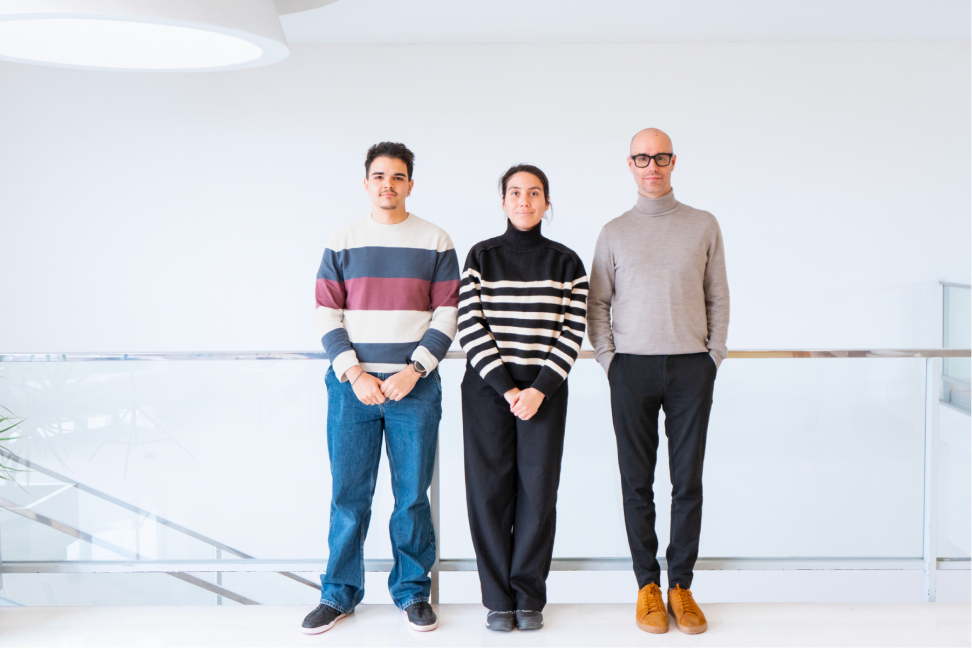
Functional Cancer Genomic Group
Group leader · Toni Hurtado Rodríguez
- 7
- People
- 3
- Publications
- 2
- Grants
My research focuses on transcriptional regulation and the modulation of signaling pathways in cancer, with particular emphasis on transcription factors and their therapeutic potential. Over the past two years, my work has been structured around two main axes: (i) a consolidated research line on the regulation of the transcription factor FOXA1 in breast cancer and its role in endocrine therapy resistance; and (ii) a complementary, exploratory line investigating interactions between bacterial factors and tumor cells, with potential translational implications.
The group have established a research line focused on the post-translational regulation of FOXA1, distinct from approaches based on its direct inhibition. Through high-throughput chemical screening and proteomics, we identified kinases and acetyltransferases that modulate FOXA1 DNA binding across different breast cancer subtypes. Building on this, I have characterized how FOXA1 acetylation and deacetylation regulate chromatin binding and hormonal response. Using genomic approaches and patient-derived xenograft (PDX) models, we demonstrated that HER2/HER3 signaling modulates HDAC2 activity, promoting FOXA1 deacetylation and contributing to endocrine resistance (NAR, 2025). Importantly, selective HDAC2 inhibition restores FOXA1 and estrogen receptor chromatin binding and re-sensitizes tumors to endocrine therapy, highlighting the translational relevance of these findings.
In parallel the group developed a novel research line exploring interactions between bacterial components and epithelial tumor cells. We investigated whether virulence factors from Vibrio cholerae could modulate tumor cell signaling. We identified that the bacterial protease HapA selectively targets PAR-1/2 receptors, inducing transient activation of the MEK–ERK pathway and triggering apoptosis via caspase-7 activation, resulting in reduced cell viability (Tena Chaves*, Pontes* et al., Cell Death Discovery). This study provides the first evidence that bacterial virulence factors can fine-tune oncogenic signaling pathways, opening new avenues for innovative therapeutic strategies based on exogenous modulators of cell signaling.
Group leader
- Toni Hurtado Rodríguez
Postdoctoral Researchers · 1
- Dariusz Andrzej Kedra
PhD Researchers · 2
- David Tena Chaves
- Gemma Santacana Font
Master Students · 3
- Zheliana Radilova
- Francisca Testa
- Thomas Di Gracia
- breast cancer
- resistance to treatment
- senescence
- genomics
- nuclear receptors
- Total publications
- 3
- Mean IF
- 7.83
- % Q1
- 67
- % D1
- 33
- % CA/MA
- 67
- % OA
- 100
Selected publications
Wang S, Santacana-Font G, Kedra D, Gilfillan S, Tena-Chaves D, Bergholtz H, Engebraaten O, Lingjaerde OC, Gutiérrez-Fernández J, Norum JH, Sørlie T, López-Aviles S, Hurtado A. The harmonized activities of HER2-HER3 heterodimer and deacetylated FOXA1 evade hormone response by regulating FOXA1 chromatin binding. Nucleic Acids Res. 2025 Oct 28;53(20):gkaf1086. doi: 10.1093/nar/gkaf1086. PMID: 41224124; PMCID: PMC12611346.
Tena-Chaves D, Pontes-Gomes I, Palomeque JÁ, Toh E, Baryalai P, Kadler G, Schuepbach RA, Heuberger DM, Hurtado A, Wai SN. HapA protease targets PAR-1/2 to modulate ERK signalling and reduce cancer cell viability. Cell Death Discov. 2025 Aug 28;11(1):415. doi: 10.1038/s41420-025-02691-7. PMID: 40877222; PMCID: PMC12394649.
D'Ambrosi S, García-Vílchez R, Kedra D, Vitali P, Macias-Cámara N, Bárcena L, Gonzalez-Lopez M, Aransay AM, Dietmann S, Hurtado A, Blanco S. Global and single-nucleotide resolution detection of 7-methylguanosine in RNA. RNA Biol. 2024 Jan;21(1):1-18. doi: 10.1080/15476286.2024.2337493. Epub 2024 Apr 2. PMID: 38566310; PMCID: PMC10993922.
| Period | Grants | Budget & distribution |
|---|---|---|
| Achieved in 2024-25 | 1 | 0.264 M€ (1 private national) |
| Ongoing | 1 | 0.358 M€ (1 public international) |
| Title | Funding entity | Reference | PI |
|---|---|---|---|
| Investigating the Mechanism of Elacestrant Action in Hormone-Sensitive Breast Cancers | Solti Menarini Group | — | Toni Hurtado |
| Title | Funding entity | Reference | PI |
|---|---|---|---|
| RESCUER: RESistance Under Combinatorial Treatment in ER+ and ER- Breast Cancer | European Comission. SOCIETAL CHALLENGES - Health, demographic change and wellbeing | Grant agreement ID: 847912 | Toni Hurtado (Coordinator: Vessela Kristensen) |
- Gemma Santacana Font
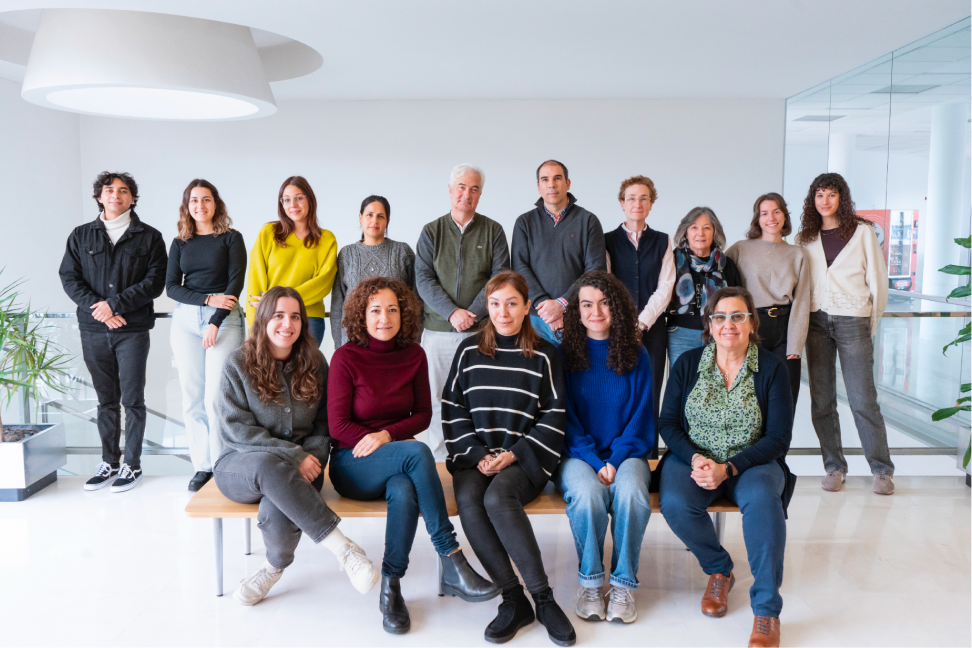
Kinases in Oncology
Group leader · Atanasio Pandiella Alonso
- 8
- People
- 13
- Publications
- 2
- Grants
During the last few years our research has been centered in the understanding of the role of several receptor tyrosine kinases (RTKs) and their signal transduction routes in cell proliferation and oncogenesis. Interest in the activation of RTKs by membrane anchored ligands has been a major focus of our laboratory with special emphasis on the study of the mechanisms responsible for the solubilization of membrane-anchored growth factors, and the biological properties of these factors in the membrane-anchored conformation. In addition, the role of novel RTK signaling intermediates, such as P-Rex1 or MMP13 have been analyzed. In this area of research, an effort is being paid to an integral understanding of the role of RTKs, especially those of the ErbB/HER family in cancer, by analyzing how their activating ligands act, and how downstream signaling molecules participate in proliferative responses to RTK activation. Studies with drugs (small molecule kinase inhibitors as well as monoclonal antibodies) that target these receptors or their signal transduction pathways are carried out in parallel with biological studies. We have become especially interested in the major clinical problem of the establishment of resistances to targeted therapies, especially in the context of HER2 positive breast cancer. In line with this, we have made an effort to generate new in vitro and in vivo models of resistance to anti-HER2 therapies and have identified novel mechanisms of acquired resistance to these drugs. Taking all these into consideration we are investigating and developing new therapeutic approaches to be used in this context. In line with this, the identification of new targets and the development of new therapeutic agents against them is, in this moment, an important goal in our team.
Group leader
- Atanasio Pandiella Alonso
Senior Researchers · 2
- María Elena Díaz Rodríguez
- Azucena Esparís Ogando
Postdoctoral Researchers · 3
- María del Carmen Gómez García
- Yolanda Mª Guillén Pérez
- Juan Carlos Montero González
PhD Researchers · 2
- Sheila Almaraz Postigo
- Verónica Fraile
- Breast cancer
- ovarian cancer
- drug development
- Antibody-drug conjugate
- RTK signaling
- Total publications
- 13
- Mean IF
- 7.25
- % Q1
- 100
- % D1
- 38
- % CA/MA
- 23
- % OA
- 100
Selected publications
Romero-Pérez I, Montero JC, Redondo-Puente M, Del Carmen Gómez-García M, Morell-Ginestà M, Capellá G, Pandiella A. An antibody-drug conjugate targeting soluble and membrane-bound TGFα is effective against pancreatic tumors. J Exp Clin Cancer Res. 2025 May 23;44(1):158. doi: 10.1186/s13046-025-03421-8. PMID: 40410803
Ocana A, Pandiella A, Privat C, Bravo I, Luengo-Oroz M, Amir E, Gyorffy B. Integrating artificial intelligence in drug discovery and early drug development: a transformative approach. Biomark Res. 2025 Mar 14;13(1):45. doi: 10.1186/s40364-025-00758-2. PMID: 40087789
Blay V, Pandiella A. Strategies to boost antibody selectivity in oncology. Trends Pharmacol Sci. 2024 Dec;45(12):1135-1149. doi: 10.1016/j.tips.2024.10.005. Epub 2024 Nov 29. PMID: 39609227
Tubita A, Menconi A, Lombardi Z, Tusa I, Esparís-Ogando A, Pandiella A, Gamberi T, Stecca B, Rovida E. Latent-Transforming Growth Factor β-Binding Protein 1/Transforming Growth Factor β1 Complex Drives Antitumoral Effects upon ERK5 Targeting in Melanoma. Am J Pathol. 2024 Aug;194(8):1581-1591. doi: 10.1016/j.ajpath.2024.03.015. Epub 2024 May 3. PMID: 38705382
Martín M, Pandiella A, Vargas-Castrillón E, Díaz-Rodríguez E, Iglesias-Hernangómez T, Martínez Cano C, Fernández-Cuesta I, Winkow E, Perelló MF. Trastuzumab deruxtecan in breast cancer. Crit Rev Oncol Hematol. 2024 Jun;198:104355. doi: 10.1016/j.critrevonc.2024.104355. Epub 2024 Apr 16. PMID: 38621469
| Period | Grants | Budget & distribution |
|---|---|---|
| Achieved in 2024-25 | 1 | 0.363 M€ (1 public national) |
| Ongoing | 1 | 0.120 M€ (1 private national) |
| Title | Funding entity | Reference | PI |
|---|---|---|---|
| Antibody-drug conjugates in HER2+ tumors | Spanish Research State Agency, Spanish Ministry of Science, Innovation and Universities | PID2024-157384OB-100 | Atanasio Pandiella |
| Title | Funding entity | Reference | PI |
|---|---|---|---|
| Identification of novel therapeutic vulnerabilities in ovarian cancer through massive sufaceome screening | CRIS Cancer Foundation | FCRIS OVARIO | Atanasio Pandiella |
- Sofia Matilla Vicente-Almazán
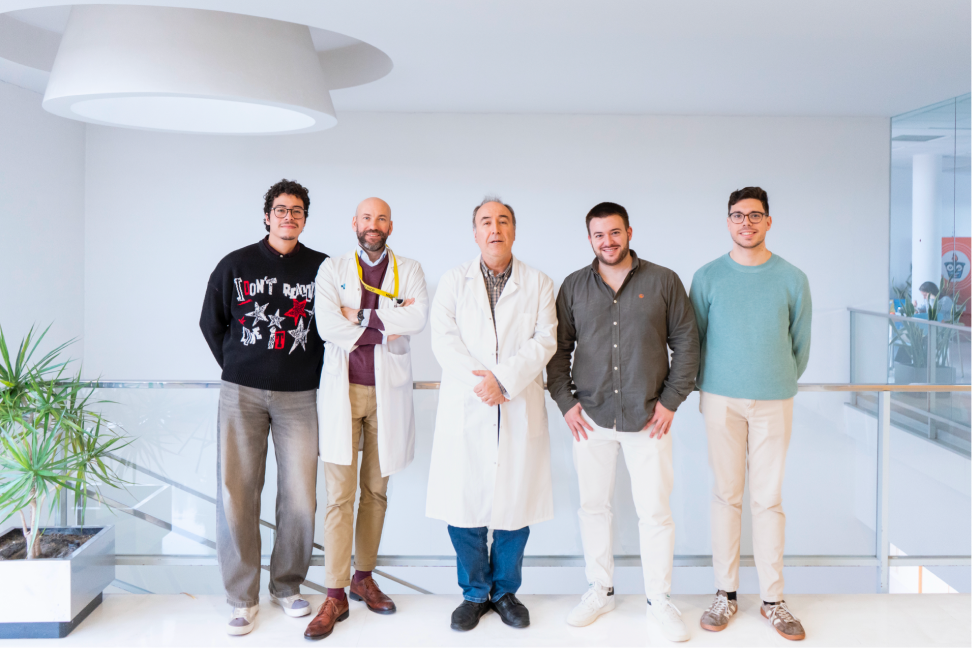
Molecular and Genetic Determinants of Cancer Susceptibility, Evolution, and Treatment Response
Group leader · Jesús Pérez Losada
- 8
- People
- 8
- Publications
- 5
- Grants
Our laboratory uses systems biology and translational approaches to study cancer susceptibility, evolution, and treatment response, with a major focus on breast cancer and cutaneous squamous cell carcinoma. In breast cancer, we investigate how genetic background, tumour-cell programmes, and physiological states shape risk and disease behaviour. A major line of work addresses postpartum mammary gland involution as a window of breast cancer susceptibility and prevention, with the aim of identifying mechanistic drivers and actionable chemopreventive strategies. We also study luminal A breast cancer to identify biologically distinct subgroups with unexpectedly poor outcomes and to develop biomarkers that improve recurrence prediction and treatment stratification. In parallel, we work on risk stratification and prognostic biomarkers in cutaneous squamous cell carcinoma, integrating clinical, histopathological, and computational approaches to improve patient management. Across these areas, our group combines mouse models, human cohorts, molecular profiling, and data-driven analyses to connect mechanisms with clinically relevant biomarkers. Overall, our goal is to translate mechanistic and systems-level insights into better prevention strategies, more accurate prognostic tools, and more personalized therapeutic decisions.
Group leader
- Jesús Pérez Losada
Senior Researchers · 1
- Javier Cañueto Álvarez (Squamous Skin Cancer)
PhD Researchers · 3
- Manuel Jesús Pérez Baena
- Cristian David Cardona Machado (Dr. Cañueto Unit)
- Alejandro Jiménez Navas
Master Students · 2
- Carlos Gálvez Segovia
- Sorour Zahedian
Undergraduate Training · 1
- Ester Sanz Palacios
- Breast cancer susceptibility
- Breast cancer prevention
- Postpartum mammary gland involution
- Cutaneous squamous cell carcinoma
- Systems biology
- Total publications
- 8
- Mean IF
- 8.44
- % Q1
- 88
- % D1
- 38
- % CA/MA
- 25
- % OA
- 100
Selected publications
García-Sancha N, Corchado-Cobos R, Pérez-Losada J. Understanding Susceptibility to Breast Cancer: From Risk Factors to Prevention Strategies. Int J Mol Sci. 2025 Mar 25;26(7):2993. doi: 10.3390/ijms26072993. PMID: 40243654
Yang H, Wang X, Blanco-Gómez A, He L, García-Sancha N, Corchado-Cobos R, Pérez-Baena MJ, Jiménez-Navas A, Wang P, Inman JL, Snijders AM, Threadgill DW, Balmain A, Chang H, Perez-Losada J(*), Mao JH(*). A susceptibility gene signature for ERBB2-driven mammary tumour development and metastasis in collaborative cross mice. EBioMedicine. 2024 Aug;106:105260. doi: 10.1016/j.ebiom.2024.105260. Epub 2024 Jul 26. PMID: 39067134.(*) Equal contribution as co-senior and co-corresponding authors
Mendiburu-Eliçabe M, García-Sancha N, Corchado-Cobos R, Martínez-López A, Chang H, Hua Mao J, Blanco-Gómez A, García-Casas A, Castellanos-Martín A, Salvador N, Jiménez-Navas A, Pérez-Baena MJ, Sánchez-Martín MA, Abad-Hernández MDM, Carmen SD, Claros-Ampuero J, Cruz-Hernández JJ, Rodríguez-Sánchez CA, García-Cenador MB, García-Criado FJ, Vicente RS, Castillo-Lluva S, Pérez-Losada J. NCAPH drives breast cancer progression and identifies a gene signature that predicts luminal a tumour recurrence. Clin Transl Med. 2024 Feb;14(2):e1554. doi: 10.1002/ctm2.1554. PMID: 38344872
Pérez-Baena MJ, Mao JH, Pérez-Losada J, Santos-Briz Á, Chang H, Cañueto J. Artificial intelligence-empowered cellular morphometric risk score improves prognostic stratification of cutaneous squamous cell carcinoma. Clin Exp Dermatol. 2024 Jun 25;49(7):692-698. doi: 10.1093/ced/llad264. PMID: 37572359
| Period | Grants | Budget & distribution |
|---|---|---|
| Achieved in 2024-25 | 3 | 0.329 M€ (1 public national, 2 public regional) |
| Ongoing | 2 | 0.339 M€ (2 public national) |
| Title | Funding entity | Reference | PI |
|---|---|---|---|
| Breast cancer prevention through modulation of molecular pathways involved in post-lactational involution | Spanish Research State Agency, Spanish Ministry of Science, Innovation and Universities | PID2023-153081OB-I00 | Jesús Pérez Losada |
| Transcriptomic analysis of metastatic cutaneous squamous cell carcinoma and comparison with primary cutaneous squamous cell carcinoma: identification of potential therapeutic targets | Regional Health Management of Castilla y León | GRS3126/A1/2024 | Javier Cañueto Álvarez |
| Identification of cellular morphometric biomarkers through computational pathology to predict chemotherapy response in patients with IDH wild-type glioblastoma multiforme | Regional Health Management of Castilla y León | GRS2723/A1/2023 | Luis Miguel Navarro Martín |
| Title | Funding entity | Reference | PI |
|---|---|---|---|
| Evaluation of breast cancer prevention using somatostatin analogs | Spanish Research State Agency, Spanish Ministry of Science, Innovation and Universities | PID2020-118527RB-I00 | Jesús Pérez Losada |
| Breast cancer prevention by enhancing postlactational involution with cabergoline | Spanish Research State Agency, Spanish Ministry of Science, Innovation and Universities (NextGenerationEU) | PDC2021-121735-I00 | Jesús Pérez Losada |
- Alejandro Jiménez Navas
Research line 2.3
Hepatobiliary Cancer
1 research group
Hepato Biliary Tumors Lab
Group leader · Javier Vaquero Rodríguez
- 7
- People
- 9
- Publications
- 2
- Grants
Our group develops translational research focusing on the study of the pathogenesis and treatment of primary liver cancer, including hepatocellular carcinoma (HCC) and cholangiocarcinoma (CCA). In particular, we are interested in better comprehending the crosstalk interactions between cancer and stromal cells from the tumor microenvironment. We apply our results to discover new therapeutic targets and to develop novel therapies that improve tumor progression. To achieve this, the group uses a wide range of experimental methods, which include analyses of patient samples, unbiased analysis of omics data, 2D and 3D in vitro models of liver cancer and state-of-the-art in vivo models of liver carcinogenesis, where we test new potential therapies.
Our research currently focusses on 3 axes: (1) Understanding the roles of TGFbeta in tumor and stromal cells to identify new efficient ways to target this signaling pathway. (2) Dissecting the role of ZEB1 in the crosstalk of cholangiocarcinoma tumor and stromal cells. (3) Evaluating the impact of sorafenib acquired resistance in the suppressor effects of TGFbeta signaling pathway in hepatocellular carcinoma cells.
Group leader
- Javier Vaquero Rodríguez
Senior Researchers · 1
- María Ester González Sánchez
PhD Researcher · 1
- Carlos Andrés Roldán Hernández
Lab Technicians · 2
- Lucia García Collado
- Ana Martín Ramírez
Master Students · 1
- Paula Gallego Lázaro
Visiting Scientist · 1
- Filipa Cardoso
- Cholangiocarcinoma
- hepatocellular carcinoma
- tumor microenvironment
- resistance to therapies
- Total publications
- 9
- Mean IF
- 13.99
- % Q1
- 75
- % D1
- 28
- % CA/MA
- 33
- % OA
- 88
Selected publications
Amengual J, Gonzalez-Sanchez E, Yáñez-Bartolome M, Sererols-Viñas L, Ravichandra A, Guiton C, Fuste NP, Alay A, Hijazo-Pechero S, Martín-Mur B, Gut M, Esteve-Codina A, Cantos-Cortes A, Espinosa-Sotelo R, Ramos E, Serrano T, Calvo M, Laquente B, Ferrer J, Pons G, Mendez-Lucas A, Dooley S, Ilyas SI, Vallette M, Aoudjehane L, Lequoy M, Fouassier L, Coulouarn C, Affò S, Scheiter A, Calvisi DF, Tian TV, Fabregat I, Vaquero J. NADPH oxidase 1/4 dual inhibition impairs transforming growth factor-beta protumorigenic effects in cholangiocarcinoma cancer-associated fibroblasts. Signal Transduct Target Ther. 2025 Aug 18;10(1):257. doi: 10.1038/s41392-025-02347-z. PMID: 40820091; PMCID: PMC12358586.
Toth R, Brindley PJ, Vaquero J. Enhancing the opportunities for cholangiocarcinoma precision therapy. Gut. 2024 May 10;73(6):888-889. doi: 10.1136/gutjnl-2023-331480. PMID: 38228376; PMCID: PMC12301945.
Amengual J, Alay A, Vaquero J, Gonzalez-Sanchez E, Bertran E, Sánchez A, Herrera B, Meyer K, Maus M, Serrano M, Martínez-Chantar ML, Fabregat I. Iron chelation as a new therapeutic approach to prevent senescence and liver fibrosis progression. Cell Death Dis. 2024 Sep 17;15(9):680. doi: 10.1038/s41419-024-07063-0. PMID: 39289337; PMCID: PMC11408630.
Gonzalez-Sanchez E, Vaquero J, Caballero-Diaz D, Grzelak J, Fusté NP, Bertran E, Amengual J, Garcia-Saez J, Martín-Mur B, Gut M, Esteve-Codina A, Alay A, Coulouarn C, Calero-Perez S, Valdecantos P, Valverde AM, Sánchez A, Herrera B, Fabregat I. The hepatocyte epidermal growth factor receptor (EGFR) pathway regulates the cellular interactome within the liver fibrotic niche. J Pathol. 2024 Aug;263(4-5):482-495. doi: 10.1002/path.6299. Epub 2024 Jun 14. PMID: 38872438.
Gonzalez-Sanchez E, Roldan-Hernandez CA, Martin-Ramirez A, Garcia-Collado L, Fouassier L, Vaquero J. Epithelial to Mesenchymal Transition Transcriptional Regulator ZEB1 in Liver Cancer: Oncogenic Roles and Therapeutic Potential. Int J Mol Sci. 2025 Nov 18;26(22):11135. doi: 10.3390/ijms262211135. PMID: 41303618; PMCID: PMC12652417.
| Period | Grants | Budget & distribution |
|---|---|---|
| Ongoing | 2 | 0.458 M€ (2 public international) |
| Title | Funding entity | Reference | PI |
|---|---|---|---|
| Dissecting the TGF-beta signalling pathway in search of new and better therapeutic targets for cholangiocarcinoma (TbetaChol) | Spanish Research State Agency, Spanish Ministry of Science, Innovation and Universities | PID2022-141984OB-I00 | Javier Vaquero Rodríguez |
| Ramón y Cajal grants for contracts (2021 Call) | Spanish Research State Agency, Spanish Ministry of Science, Innovation and Universities | RYC2021-034121-I | Javier Vaquero Rodríguez |
Research line 2.4
Hereditary cancer
1 research group
Hereditary cancer
Group leader · Rogelio González Sarmiento
- 7
- People
- 7
- Publications
- 0
- Grants
The group is responsible for the Hereditary Cancer Genetic Counseling Unit, a regional program financed by the General Directorate of Public Health of the Ministry of Health of the Government of Castilla y León. The Unit collaborates closely with the Genetic Counseling Unit of the Oncology Service of the University Hospital of Salamanca and carries out studies for patients in the provinces of Ávila, León, Salamanca and Zamora. In addition, the group is developing "in vitro" methods to reclassify mutations of unknown significance (VUS) in the BRCA1 and BRCA2 genes, improving the genetic counseling of patients with familial cancer.
We are also studying patients with early onset colorectal cancer (EOCRC), being part of national (Spanish Early-Onset Colorectal Cancer Consortium (SECOC)) and international groups (Global Early-Onset Colorectal Cancer Database (GEOCODE)). Besides these collaborations, our group is focused in the analysis of genes located in 16p13.12, that we have showed is deleted in patients with EOCRC.
Another project is the study of the molecular bases of head and neck cancer. The group is currently developing a study on the mechanisms of resistance to microtubule inhibitors in this type of tumors through the development of cell lines resistant to these drugs. In the line of drug trials and in collaboration with the Department of Pharmaceutical Sciences of the Faculty of Pharmacy, we are studying the effect of combretastatin derivatives on different cell lines. We are studying also the effect of the combination of panobinostat and chloroquine in ovarian cancer, and enzalutamide in breast cancer.
The group is also working on ovarian cancer, characterizing molecular abnormalities either in germline as in tumor. Finally, the group is a national reference for the genetic study of Ichthyosis and is leading a gene therapy project for this disease.
Group leader
- Rogelio González Sarmiento
Senior Researchers · 1
- Ana Belén Herrero Hernández
Postdoctoral Researchers · 2
- Eva María Sánchez Tapia
- Jessica Pérez García
PhD Researcher · 1
- Maria Zubieta Laseca
Lab Technicians · 2
- Miguel Castro Fernández
- Alba Arroyo García
- Hereditary cancer
- early onset colorectal cancer
- colonic polyposis
- ovarian cancer
- head and neck cancer
- drug assays
- Total publications
- 7
- Mean IF
- 4.6
- % Q1
- 57
- % D1
- 14
- % CA/MA
- 43
- % OA
- 86
Selected publications
Martín-Bejarano P, Sánchez-Tapia EM, Jessica P, Martín-Gómez T, Tocino RV, González-Sarmiento R, Herrero AB. Functional characterization of BRCA1 variants of unknown significance using homologous recombination repair assays. Breast Cancer Res. 2025 Oct 7;27(1):174. doi: 10.1186/s13058-025-02125-3. PMID: 41057936; PMCID: PMC12505751.
Usategui-Martín R, Esteban-López V, Chantre-Fortes E, Sánchez-Martín M, Riancho JA, López DE, González-Sarmiento R. The p.R321C mutation in the p62 protein is associated with abnormalities in the central nervous system. Sci Rep. 2025 May 15;15(1):16929. doi: 10.1038/s41598-025-00764-2. PMID: 40374720; PMCID: PMC12081919.
Iglesias-Corral D, García-Valles P, Arroyo-Garrapucho N, Bueno-Martínez E, Ruiz-Robles JM, Ovejero-Sánchez M, González-Sarmiento R, Herrero AB. Chloroquine-induced DNA damage synergizes with DNA repair inhibitors causing cancer cell death. Front Oncol. 2024 May 13;14:1390518. doi: 10.3389/fonc.2024.1390518. PMID: 38803536; PMCID: PMC11128598.
Edwards PV, Ali Eloussta KG, Latchford A, Faiz O, Thomas H, Liccardo F, Pawa N, Hüneburg R, Nattermann J, George A, Balaguer F, Martí M, Spinelli A, Foppa C, de Miranda NFFC, López I, Hurtado E, Jiménez F, Jiménez-Toscano M, Álvaro E, Sanz G, Ballestero A, Rueda JA, Viyuela C, Brandáriz L, Vidal-Tocino R, García-Olmo D, Pastor C, González-Sarmiento R, Holowatyj AN, McVeigh T, Perea J, Monahan KJ; Collaborators GEOCODE and SECOC Consortia. Real-World Molecular Testing in European Early-Onset Colorectal Cancer. United European Gastroenterol J. 2025 Dec;13(10):2012-2022. doi: 10.1002/ueg2.70112. Epub 2025 Sep 27. PMID: 41014296; PMCID: PMC12704576.
Daca-Alvarez M, Perea J, Corchete L, Spinelli A, Foppa C, de Miranda NFCC, Nielsen M, Palles C, Curley HM, Marti-Gallostra M, Verdaguer M, Vivas A, Lorenzo S, Latchford A, Faiz O, Monahan K, Pawa N, Szczepkowski M, Ziółkowski B, Tarnowski W, Uryszek M, Makkai-Popa ST, Azagra JS, Llach J, Moreria L, Pellise M, Holowatyj AN, González-Sarmiento R, Balaguer F; GEOCODE (Global Early-Onset Colorectal Cancer Database) consortium. Regional patterns of early-onset colorectal cancer from the GEOCODE (Global Early-Onset COlorectal Cancer DatabasE)-European consortium: retrospective cohort study. BJS Open. 2025 Mar 4;9(2):zraf024. doi: 10.1093/bjsopen/zraf024. PMID: 40103402; PMCID: PMC11920508
- Nerea Gestoso Uzal
- Cecilia Higueruela Mínguez
- Paula García Vallés
- Nuria Arroyo Garrapucho
Research line 2.5
Bioinformatics and artificial intelligence
1 research group
Bioinformatics and Functional Genomics of Cancer
Group leader · Javier De Las Rivas
- 8
- People
- 13
- Publications
- 5
- Grants
Research framed within the field of Bioinformatics, Computational Biology and Functional Genomics applied to the biomedical areas of Cancer, Oncology and Neurodegenerative diseases.
Functional Genomics and Bioinformatics: Development of methods and strategies for the analysis of omic data derived from different large-scale technologies (such as RNAseq, DNAseq, single-cellRNAseq, etc.) to determine the expression of genes, miRNAs and ncRNAs; or to identify gene splicing, copy-number alterations, changes in the methylation pattern, etc. Data mining, integration and analysis of proteo-transcriptomic profiles to determine absolute signal values and identify gene signatures associated with specific biological or pathological stages. All of this work is focused on cancer samples from patients to identify disease subtypes, disease progression and treatment response or resistence.
Data Science, Machine and Deep Learning, Computational Omics: Application of data mining and artificial intelligence methods (such as Machine & Deep Learning, Reverse Engineering, etc) to omic, biomedical and clinical data to: (i) discover biomolecular signatures associated with specific pathological states; (ii) build prognosis predictors derived from survival analysis; (iii) build treatment response predictors; (iv) identify resistance features. Currently, our studies are mainly focused on cancer, but also on some neurodegenerative disorders. As mentioned above, most of the work is performed on patient-derived samples and in close collaboration with medical-clinical groups.
Proteomics, Interactomics and Network Biology: Development of a biomolecular database of experimentally determined protein-protein interactions (PPIs), including strategies for quality control and validation. Use of this PPIs-DB to build human interactome networks and infer cancer-related networks. Integration of gene co-expression data and protein interaction data to build multiplex biomolecular networks. Identification of regulatory circuits associated with these networks to identify causal genes (gene drivers) in specific cancer subtypes or pathological states. Construction of bipartite drug-protein interaction networks using pharmacogenomic data. Analysis of these networks for drug target prediction.
Group leader
- Javier De Las Rivas
Senior Researchers · 1
- José Manuel Sánchez Santos
Postdoctoral Researchers · 1
- Alberto Berral González
PhD Researchers · 4
- Natalia Alonso Moreda
- Enrique de la Rosa Morón
- Emma Pérez García
- María Sánchez Martín
Visiting Scientist · 1
- Karoline B. Caetano A. Coelho
- bioinformatics
- transcriptomic
- proteomic
- cancer gene
- artificial intelligence
- Total publications
- 13
- Mean IF
- 4.97
- % Q1
- 69
- % D1
- 15
- % CA/MA
- 31
- % OA
- 85
Selected publications
Berral-González A, Arroyo MM, Alonso-López D, Rivas-López MJ, Sánchez-Santos JM, De Las Rivas J. Pharmacogenomic Drug-Target Network Analysis Reveals Similarity Profiles Among FDA-Approved Cancer Drugs. Pharmaceutics 2025; 17(11):1421. doi: 10.3390/pharmaceutics17111421. PMID: 41304759
Tomai R, De Las Rivas J, Fetica B, Bergantim R, Filipic B, Gagic Z, Nikolic K, Gulei D, Kegyes D, Nistor M, Muresan XM, Cenariu D, Feder R, Pavel-Tanasa M, Cianga A, Tigu AB, Munteanu R, Tanase A, Einsele H, Tomuleasa C. Challenges in the preclinical design and assessment of CAR-T cells. Front Immunol. 2025; 16:1564998. doi: 10.3389/fimmu.2025.1564998. PMID: 40861448
De La Rosa E, Alonso-Moreda N, Berral-González A, Sánchez-Luis E, González-Velasco O, Sánchez-Santos JM, De Las Rivas JL. Novel Assignment of Gene Markers to Hematological and Immune Cells Based on Single-Cell Transcriptomics. Int J Mol Sci. 2025; 26(2):805. doi: 10.3390/ijms26020805. PMID: 39859519.
Kramer AE, Berral-González A, Ellwood KM, Ding S, De Las Rivas J, Dutta A. Cross-species regulatory network analysis identifies FOXO1 as a driver of ovarian follicular recruitment. Sci Rep. 2024 ; 14(1):30787. doi: 10.1038/s41598-024-80003-2. PMID: 39730395
Muntión S, Sánchez-Luis E, Díez-Campelo M, Blanco JF, Sánchez-Guijo F, De Las Rivas J. Novel Gene Biomarkers Specific to Human Mesenchymal Stem Cells Isolated from Bone Marrow. Int J Mol Sci. 2024 ; 25(22):11906. doi: 10.3390/ijms252211906. PMID: 39595975
| Period | Grants | Budget & distribution |
|---|---|---|
| Achieved in 2024-25 | 2 | 0.349 M€ (2 public national) |
| Ongoing | 3 | 0.464 M€ (2 public national, 1 public regional) |
| Title | Funding entity | Reference | PI |
|---|---|---|---|
| Generative Artificial Intelligence applied to the functional enrichment of complex protein-protein interaction networks and bipartite drug-target protein networks, with particular focus on antitumor agents | Momentum Program. Spanish Research Council | MMT2024 | Javier De Las Rivas |
| IMPaCT-Data-2. Data Science Program of the Precision Medicine Infrastructure associated with Science and Technology | Institute of Health Carlos III, Spanish Ministry of Science, Innovation and Universities | IMP/00019 | Javier De Las Rivas (Coordinator: Alfonso Valencia) |
| Title | Funding entity | Reference | PI |
|---|---|---|---|
| IMPaCT-Data. Data Science Program | Institute of Health Carlos III, Spanish Ministry of Science, Innovation and Universities | IMP/00019 | Javier De Las Rivas (Coordinator: Alfonso Valencia) |
| Proteo-transcriptomic analysis by single-cell techniques of the immune and stromal bone marrow microenvironment to decipher treatment response in multiple myeloma | Institute of Health Carlos III, Spanish Ministry of Science, Innovation and Universities | PI22/00877 | Javier De Las Rivas (coIP: Dra. Mercedes Garayoa Berrueta) |
| In vivo evaluation and validation of SOS1 and SOS2 RAS GEF activity inhibitors in preclinical cancer models | Castilla and León Education Ministry and European Social Fund | SA222P23 | Eugenio Santos |
- Alberto Berral González
Research line 2.6
Mechanisms of therapy resistance
1 research group
Mechanisms of therapy resistance in squamous cell carcinomas
Group leader · Mónica Álvarez Fernández
- 5
- People
- 9
- Publications
- 3
- Grants
Despite advances in cancer research, chemotherapy (CT) and radiotherapy (RT) remain the conventional treatments for many tumors. It is estimated that up to 50% of cancer patients are treated with RT and cisplatin-based CT is administered to 10-20% of all cancer patients. This is the case of head and neck squamous cell carcinomas (HNSCC) which arises from the epithelial cells of the oral cavity, pharynx or larynx, and whose survival rate, around 50%, has not improved in the last 30 years. Cisplatin-based chemoradiotherapy (CRT) is the standard treatment of choice for this type of tumor, with a response rate barely exceeding 50%. HNSCCs are very heterogeneous and complex at the genomic level and share many commonalities with squamous cell carcinomas (SCCs) arising from other anatomical sites, such as lung squamous cell carcinoma (LUSC), which accounts for 20-25% of all lung cancers and has an estimated 5-year survival rate of only 17%. As for HNSCCs, there are almost no approved targeted therapies for LUSCs and treatment options for advanced cases are limited to platinum- and/or taxane-based CT alone or in combination with immunotherapy (PD-(L)1 inhibitors). The main limitation of CT and RT in the clinic is, beyond their toxicity, the high incidence of resistance and, consequently, the frequent tumor relapse. Therefore, we aim to identify new therapeutic strategies to overcome resistance to the standard of care in SCCs by using patient-derived organoids (PDOs) as the main preclinical experimental model.
Our main approaches are: (1) Search for mechanisms of treatment resistance in cancer (chemotherapy/radiotherapy and targeted therapies) using CRISPR/Cas9 screening and multi-omic characterization of patient-derived organoids as a source for identifying new biomarkers and/or therapeutic targets. (2) Preclinical evaluation of the therapeutic value of CDK4/6 inhibitors as enhancers of chemotherapy and radiotherapy treatments. (3) Analysis of the predictive value of PDOs and their clinical utility in functional precision medicine: effect of tumor heterogeneity and contribution of the tumor microenvironment.
Group leader
- Mónica Álvarez Fernández
Postdoctoral Researcher · 1
- Helena Codina Martínez
Lab Technician · 1
- Andrea Blazquez Arenas
Master Students · 2
- Lydia Cilla Vera
- Isabel Quiñones de Pascual-Teresa
- Treatment resistance
- chemotherapy
- radiotherapy
- squamous cell carcinomas
- organoids
- Total publications
- 9
- Mean IF
- 13.99
- % Q1
- 75
- % D1
- 28
- % CA/MA
- 33
- % OA
- 88
Selected publications
Pozo-Agundo E, Álvarez-González M, Lequerica-Fernández P, Herrera I Nogués S, Rodrigo JP, Rodríguez-Santamarta T, Torres-Rivas HE, Álvarez-Teijeiro S, García-Pedrero JM, Álvarez-Fernández M, de Vicente JC. Novel Role of Microtubule-Associated Serine/Threonine Kinase Like as a Good Prognostic Factor in Oral Squamous Cell Carcinoma and Evidences for a Link with Smad7. Pathobiology. 2025;92(4):189-201. doi: 10.1159/000544183. Epub 2025 Feb 26. PMID: 40010322Not produced at CIC
Otero-Rosales M, Álvarez-González M, Pazos I, de Luxán-Delgado B, Del Marro S, Pozo-Agundo E, Rodríguez-Santamaría M, López-Fernández A, Corte-Torres D, Granda-Díaz R, Álvarez-Teijeiro S, Fernández-Vega I, Lorz C, García-Escudero R, Rodrigo JP, Tzelepis K, Vassiliou G, Ferrer I, Álvarez-Fernández M, García-Pedrero JM, Hermida-Prado F. CDK7-targeted therapy effectively disrupts cell cycle progression and oncogenic signaling in head and neck cancer. Signal Transduct Target Ther. 2025 Nov 6;10(1):363. doi: 10.1038/s41392-025-02452-z. PMID: 41193441
Pozo-Agundo E, Álvarez-González M, Rivera-García I, García-de-la-Fuente V, de Martino A, Tejedor JR, de Vicente JC, Rodrigo JP, García-Pedrero JM, Álvarez-Fernández M. Expression of MASTL (Greatwall) associates with good prognosis and response to radiotherapy in pharyngeal squamous cell carcinoma. Transl Oncol. 2025 Aug;58:102417. doi: 10.1016/j.tranon.2025.102417. Epub 2025 May 20. PMID: 40398127Not produced at CIC
Pozo-Agundo E, Álvarez-González M, Lequerica-Fernández P, Herrera I Nogués S, Rodrigo JP, Rodríguez-Santamarta T, Torres-Rivas HE, Álvarez-Teijeiro S, García-Pedrero JM, Álvarez-Fernández M, de Vicente JC. Novel Role of Microtubule-Associated Serine/Threonine Kinase Like as a Good Prognostic Factor in Oral Squamous Cell Carcinoma and Evidences for a Link with Smad7. Pathobiology. 2025;92(4):189-201. doi: 10.1159/000544183. Epub 2025 Feb 26. PMID: 40010322Not produced at CIC
Sanz-Flores M, Ruiz-Torres M, Aguirre-Portolés C, El Bakkali A, Salvador-Barberó B, Villarroya-Beltri C, Ortega S, Megías D, Gerlich DW, Álvarez-Fernández M, Malumbres M. PP2A-B55 phosphatase counteracts Ki-67-dependent chromosome individualization during mitosis. Cell Rep. 2024 Jul 23;43(7):114494. doi: 10.1016/j.celrep.2024.114494. Epub 2024 Jul 13. PMID: 39003739Not produced at CIC
| Period | Grants | Budget & distribution |
|---|---|---|
| Achieved in 2024-25 | 2 | 0.372 M€ (2 public national) |
| Ongoing | 2 | 0.228 M€ (1 private national) |
| Title | Funding entity | Reference | PI |
|---|---|---|---|
| Molecular basis of resistance and tolerance to chemotherapy and radiotherapy in squamous cell carcinomas | Spanish Research State Agency, Spanish Ministry of Science, Innovation and Universities | PID2024-158165OB-100 | Mónica Álvarez Fernández |
| Combined therapies with CDK4/6 inhibitors for the treatment of head and neck cancer | Spanish Research State Agency, Spanish Ministry of Science, Innovation and Universities | CNS2023-144473 | Mónica Álvarez Fernández |
| Title | Funding entity | Reference | PI |
|---|---|---|---|
| Unravelling the heterogeneity in the response to chemo- and radiotherapy in head and neck cancer using patient-derived organoids | Scientific Foundation AECC | LABAE235202ALVA | Mónica Álvarez Fernández |
- Miguel Álvarez González
- Esperanza Pozo Agundo